
How to choose a heater
Whether you are after a radiator, a convector heater, a panel heater, an infrared heater, a fireplace, or a gas heater, we will help you make the right choice for your home.
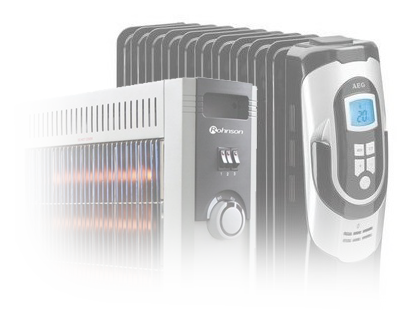
Types of heater
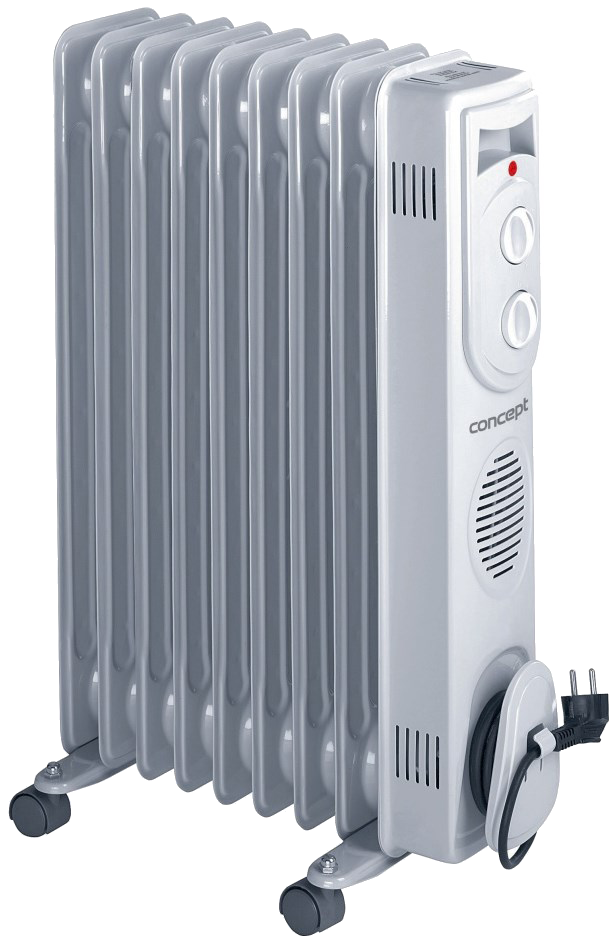
Radiators
The biggest advantage of radiators is that they continue to heat for some time after being turned off.
Suitable for long-term heating
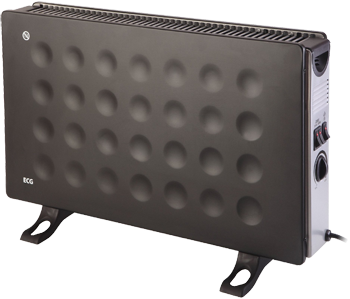
Convector heaters
Convectors are a cost-effective and popular method of heating.
Suitable for occasional heating
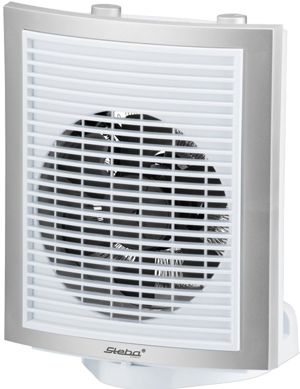
Electric heaters
Electric heaters are inexpensive and produce heat almost immediately after being turned on.
For occasional heating
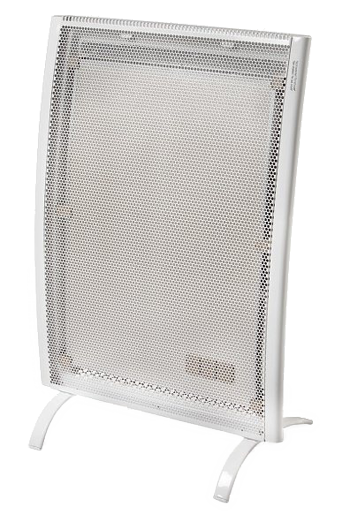
Panel heaters
Panel heaters are economical and ecological. They use thermal waves to create so-called radiant heat, which heats people and objects directly rather than heating the surrounding air.
An alternative to conventional radiators
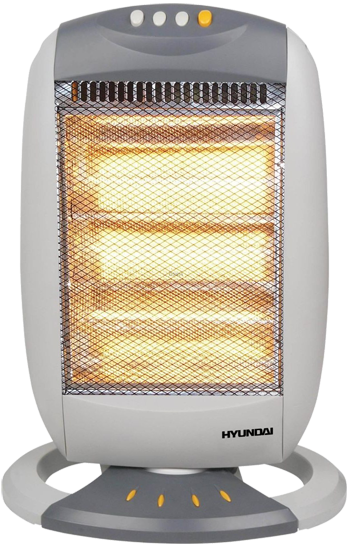
Infrared heaters
Infrared heaters also utilise radiant heat, but by way of infrared radiation.
For heating smaller rooms
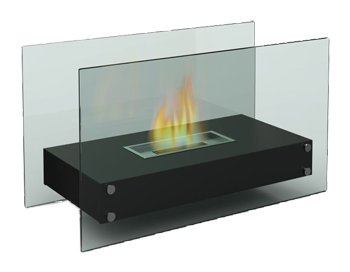
Fireplaces
Powered by electricity or biofuels, these modern fireplaces are an elegant and stylish method of heating.
A stylish alternative to traditional fireplaces
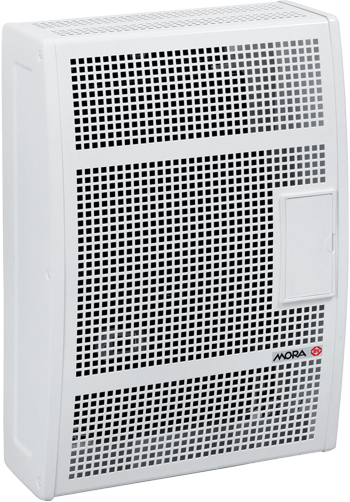
Gas heaters
Gas heaters are a useful option if you have gas connection at home.
Ideal for heating large areas
Important parameters

Glossary - Heaters
Anti-Freeze
A function that keeps the heating on at a minimum temperature to ensure that the water system does not freeze during sub-zero temperatures.
Accident protection
If you drop the device, it turns itself off automatically.
Protection against overheating
The heater is equipped with a fuse that automatically shuts down the appliance in the event of overheating.
Glossary
Heating power
Heating power indicates the calorific value of a heater. Generally, the larger the space, the more heating power is needed.