
How To Choose a Backpack
Backpacks differ in type, size and back-support system. What to look out for when buying them and what size to choose? We will advise you on how to choose the right backpack.
Answer these questions before choosing a backpack
- What will you use the backpack for?
- What will you carry in it?
- How many things will you carry in it?
- Hiking backpacks
- Cycling backpacks
- Running backpacks
- Children's backpacks
- Backpacks for school
- City backpacks
- Tennis backpacks
- Ski backpacks
- Snowboard backpacks
Types of backpacks
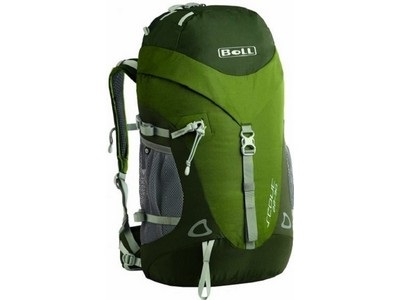
Tourist backpacks
Tourist backpacks are suitable for trips to the city. Selected models have a trekking pole holder or beverage bag. It is produced both in smaller volumes for one-day trips, which can hold drinks, snacks and sweatshirts, and in larger variants for multi-day trips, which can also accommodate spare clothes.
What is important when choosing a backpack?
Volume
The volume of a backpack is a more important parameter than its dimensions. When choosing the size of a backpack, think about where you will go. You will not want to use a backpack that is too big for a day trip if you don’t need to, they are much less comfortable to carry. Larger backpacks are suitable for multi-day hikes. Backpacks can be divided into three groups according to volume.
Construction
Back-support system
The back system can be fixed, or adjustable. For maximum comfort for fixed back support, the distance between the shoulder straps and the lumbar belt must match the length of your back.
Storage space and pockets
Before you buy, think about what specific things you will put in your backpack. The norm for backpacks is that they have one main chamber and several separate chambers and pockets. For example, an easily accessible pocket for keys and coins on the waist belt is practical.
For larger backpacks you’ll want more access to the main storage space, preferably from above, but also from the sides or even from below. The zipper allows easy access to the backpack, but it can be difficult to close when the backpack is full.
Material
Higher resistance and strength are ensured by quality materials such as Cordura, Plastex or Urtex. Manufacturers use PU coating and seam sealing to increase waterproofness, but only a small number of backpacks are waterproof. If you want to be sure that no water gets in, don't forget to buy a raincoat or waterproof cover.
Useful functions, features and accessories
Frequently asked questions when choosing a hiking backpack
How to set up a hiking backpack correctly before its first use?
Every backpack, whether small or large, should be comfortable. To ensure that nothing irritates you while wearing it, set it up correctly before using it for the first time. Here are some tips:
How to carry a backpack properly?
Before putting on a backpack be mindful of how heavy it is. Especially for children, it is important that they do not carry heavy things. Make sure they carry the backpack on both shoulders, not just one. Over time, damage to the backpack could occur if it is continuously worn using just one strap.
How to pack your backpack properly?
This should not be too difficult. Lighter things to the top and heavier towards the bottom of the backpack. This will level out your center of gravity and the backpack will carry better. Distribute weight evenly.
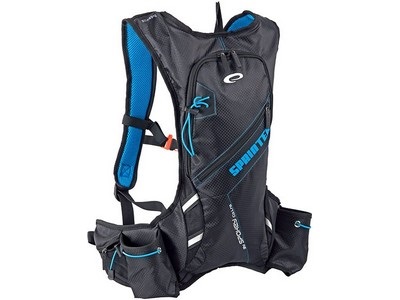
Cycling backpacks
Cycling backpacks are designed primarily for cycling, but are also suitable for skating and running. Practical features include the possibility of attaching a helmet and a built-in water bag with a hose. Reflective strips can be glued on or stored in smaller pockets. You will be more visible to cars and other cyclists thanks to reflective strips.
What is important when choosing a cycling backpack?
Volume
The volume and dimensions of the bicycle backpack depend mainly on the length of the trips they will be used for. For short rides, a small backpack of up to 10 liters will probably suffice. It can hold water or smaller tools for light bike repairs. For longer trips choose larger backpacks to fit snacks, tools and possibly even extra clothes.
Construction
Cycling backpacks usually do not have reinforcements/ extra support, as they could impede your movement when riding. Backpacks have different designs depending on the rider’s gender.
Back support
Storage space and pockets
Before you buy, think about what specific things you will put in your backpack. It should have one main chamber and several separate chambers and pockets. For example, a pocket for keys and coins on the waist belt is practical. For bicycle backpacks, you will also appreciate a buckle for the helmet or reflective elements.
Material
Cordura, Plastex or Urtex materials ensure greater durability of the cycling backpack. To make them waterproof, manufacturers use PU coatings and seam sealing. But not all backpacks are waterproof. A raincoat or waterproof cover ensures reliable waterproofness.
Useful functions and features
Frequently asked questions when choosing a cycling backpack
How to carry a backpack properly?
Cycling backpacks are adapted for the cyclist and are curved to better suit their position when riding. Wear the backpack so that it is comfortable for your back and use it as little as possible when not riding.
Are cycling backpacks suitable for other sports?
Due to its shape and structure, cycling backpacks are not really suitable for other sports. For example, when running, the back of the backpack might not sit comfortably on your back, which could, in extreme cases, lead to health problems.
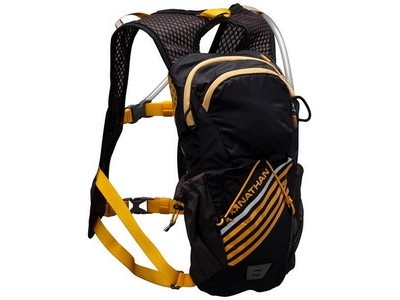
Backpacks for running
Running backpacks are designed especially for runners going for approximately 15km (and longer) runs. They can hold energy bars or other snacks, drinks and also keys or mobile phones. They are small and light and, thanks to several straps, they sit firmly on the back.
What is important when choosing a backpack for running?
Volume
Do not expect backpacks for running to carry a lot. Their size is around 10 litres, which is enough for the basics: fluids and some clothes.
Construction
Running backpacks do not have reinforcements. Their main requirement is to be small and light and they are thus built accordingly. Some backpacks come close to being just bulkier vests.
Back-support system
Storage space and pockets
According to the storage space, running backpacks could be divided into racing and transport backpacks. Racing backpacks have less storage space because they try to limit movement as little as possible. Transport backpacks offer more volume and better stability even with larger loads.
Material
If you want to be sure of quality, choose backpacks made of materials such as Cordura, Plastex or Urtex. To ensure waterproofing, look for PU paint or sealed seams when choosing a running backpack. Another option is a raincoat or waterproof cover.
Useful functions and features
Frequently asked questions when choosing a backpack for running
Are backpacks for running suitable for other sports as well?
Even though they are not directly intended for this, no major problems should arise when using them for other sports. However, their shape does not suit cycling, for example. Bear in mind that running backpacks have little capacity and a specific design.
Will my backpack interfere with my running?
Running backpacks are firmly attached to the body when running, so they will not interfere with your movement. You are likely to get used to it quickly and after a few uses won’t notice it at all.
What will fit in the backpack?
Store only the most important items in the running backpack. Fluid supplies and small snacks should be held by most backpacks. For longer trips, choose backpacks with a volume of over 10 litres. They can also hold warmer clothes and larger snacks. For shorter distances, when you only need keys and drinks, a smaller backpack up to 10 litres will suffice.
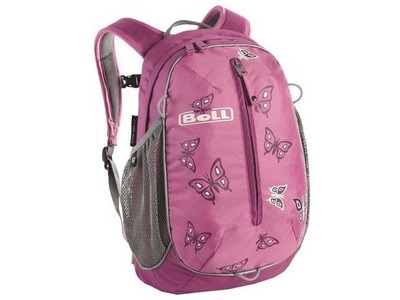
Children's backpack
Backpacks for children are smaller and often weigh less than 300 grams thanks to the lightweight back system. They have ergonomically shaped padded straps and reflective elements that draw attention to the child from a distance. Usually made using bright colors with cheerful motifs of animals or children's show characters.
What is important when choosing a children's backpack?
Volume
Most importantly, children's backpacks should fit well and be comfortable. Carrying a poorly built backpack for a long time could cause health problems, especially for children.
Back-support system
Storage space and pockets
Kids don't require much storage space, so it's up to you how many pockets to choose. A lot depends on the use. For backpacks for trips, choose more pockets for snacks and possibly clothes. Fewer pockets are enough for a backpack for holidays with family members or for trips by car.
Design
Design is an integral part of children's backpacks. Children prefer it to functionality, so it's good to have fun with the child choosing which backpack they like. In general, bright colors are good, but some backpacks also have pictures of children's cartoon characters.
Useful functions and features
Frequently asked questions when choosing a children backpack
How to choose a safe backpack for a child?
For the safety of a children's backpack, it is important that it fits well on its back and is not too heavy. Shoulder straps will help increase comfort and reflective elements will increase safety.

Backpacks for school
School backpacks are also suitable for children from the fourth grade. Their structure is not as solid and they also offer fewer children's motifs. They contain one large and several smaller pockets. They usually have a lightweight construction, anatomically shaped back and adjustable straps. And since students often move in the dark or in the evening, it is good that their backpack also has reflective elements.
What is important when choosing a school backpack?
Back system
Storage space and pockets
School bags should be able to hold all textbooks and school supplies. Two or three extra pockets or side pockets for water bottles are ideal.
Bag weight
Also pay attention to the weight of the bag itself. The school bag must be light enough so as not to burden the child's spine. The standard weight of the bag must not exceed 1,200 g for first-graders and 1,400 g for second-graders.
Useful functions and features
Frequently asked questions when choosing a school bag
What type of backpack to buy?
School bags can be separated into several types according to their structure.
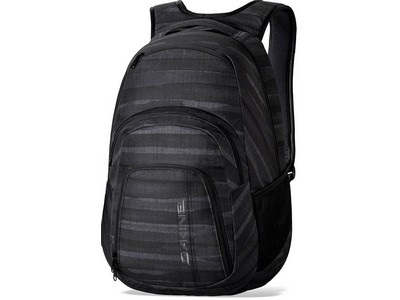
City backpack
City backpacks can be used for school, work, but also for shopping or short trips. They have a laptop pocket and compartments for paper and stationery, so they are popular with university students. City backpacks are not only functional, but also emphasize stylish design.
What is important when choosing a city backpack?
Volume
Since urban backpacks are intended for teenagers or adults, you can choose from larger and heavier variants. Choose the backpack size according to the use.
- City backpacks up to 10 litres – these are mostly laptop bags or smaller shoulder bags.
- City backpacks over 11 litres – if you want to store other things in your backpack in addition to your laptop, choose from city backpacks with a volume of over 11 litres.
Design
You are likely to want to show off with a city backpack, design plays a big role. Especially in cities. With this type of backpack, you will usually find a modern design that suits even teenagers.
Back-support system
Storage space and pockets
A city backpack often has one or two sufficiently spacious pockets. Some also have a padded laptop compartment to prevent damage to the device.
Useful functions and features
Frequently asked questions when choosing a city backpack
Are city backpacks also suitable for hiking?
City backpacks are very versatile, so they are also suitable for shorter trips into nature. For longer trips, however, choose tourist backpacks. The city backpack would not offer sufficient capacity, suitably structured storage space, back-support system and other gadgets useful for hiking trips.
How big a backpack to buy?
For trips to work, a smaller backpack or shoulder bag will suffice. If you want to use your backpack, for example, to explore the city or for festivals, choose backpacks over 10 litres, which can fit clothes and food.
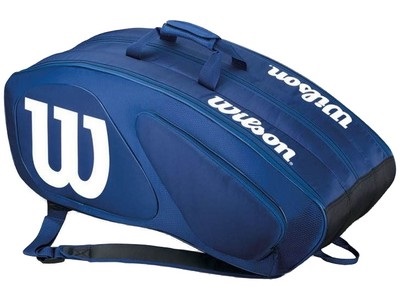
Tennis backpacks
Tennis backpacks or tennis bags can comfortably hold a tennis racket, clothes, shoes, balls, but also other things for training or personal belongings. They should be strong enough to protect the tennis racket. They usually come in three sizes. They can be worn on the back.
What is important when choosing a tennis backpack?
Volume
When choosing a tennis bag, think about how many people you will carry the equipment for. For more people, a shoulder bag is suitable, which can hold even more rackets. For an individual player or children, a backpack is enough for one racket.
Structure
Tennis backpacks should have a solid structure. Rackets and other tools fit into such a backpack much more easily than a normal bag and most importantly prevent damage to the rackets.
Storage space and pockets
Some tennis bags can hold several rackets and still have room for shoes or clothes. The advantage is the side pockets for tennis balls or personal belongings.
Material
Quality tennis bags are made of materials such as Cordura, Plastex or Urtex. PU waterproofing and seam-gluing ensure waterproofness. But not all tennis bags are waterproof. Waterproof covers ensure rain protection.
Frequently asked questions when choosing a tennis bag
Does the tennis bag have any other use?
Not really. The tennis bag is adapted, for example by its shape, directly for tennis rackets. Other tools will probably fit in it, but the bag is not intended for that.
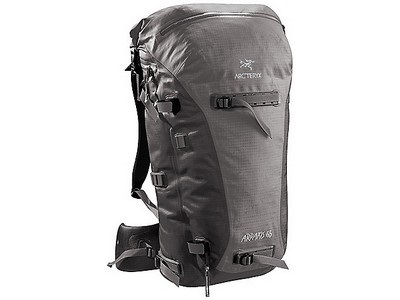
Ski backpacks
Ski backpacks often have easy access to the back if you have skis or other equipment strapped to your backpack. This is also useful when placing the backpack face down on snow so that the back system does not come into contact with the snow. Ski backpacks also have a lumbar belt and a chest strap, and often a water bag with a hose that leads through the shoulder strap through to the mouth. Ski mountaineering backpacks have a special pocket for storing an avalanche shovel.
What is important to look for when choosing a ski backpack?
Volume
Choose a backpack according to the length of the ski trip.
- Ski backpacks with a volume of up to 35 l – suitable for day trips. Larger ones could restrict your movement.
- Backpacks for skis with a volume of more than 35 liters choose backpacks with a volume of more than 35 liters if you are going on multi-day trips.
Back-support system
Storage space and pockets
In the case of a ski backpack, you will appreciate having enough storage space for liquids, or for spare warm clothes. Accessory compartments can also be useful.
Material
Quality ski bags are made of materials such as Cordura, Plastex or Urtex. PU waterproofing and seam-gluing ensure waterproofness. But not all ski bags are waterproof. Waterproof covers ensure rain protection.
Useful functions and features
Frequently asked questions when choosing a ski backpack
Is the ski backpack also suitable for other winter sports?
The ski backpack is also suitable for snowboarding, cross-country skiing or mountain hiking. With its capacity and shape, it offers both comfort and great usability.
How to pack a ski backpack?
Proper weight distribution is important for ski backpacks. You can achieve this by placing the center of gravity of the backpack as close to your body as possible. So put things in it so that you have heavy objects at your back.
Snowboard backpacks
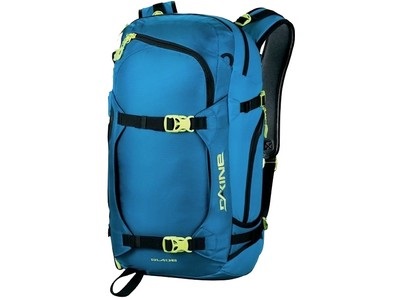
Snowboard backpacks, like ski backpacks, have external straps for attaching a snowboard or other objects. They also allow access through the back system so that the backpack can be placed on its front in the snow. The back is also breathable and a hose from a water bag leads through the straps.
What to look for when choosing a snowboard backpack?
Volume
For downhill runs, choose smaller backpacks that will limit your movement as little as possible. Choose larger backpacks for longer day trips.
Back-support system
Storage space and pockets
Snowboard backpacks should have enough storage space for liquids and possible spare clothes. Various accessories can also be useful. The advantage is the possibility of access through the back.
Material
Quality snowboard backpacks are made of materials such as Cordura, Plastex or Urtex.PU coating and gluing of the seams ensure waterproofing, or get a raincoat or waterproof cover.
Useful functions and features
Frequently asked questions when choosing a snowboard backpack
Won't my backpack limit my movement while riding?
It depends mainly on its size. Smaller backpacks are designed for downhill riding, so they will limit you the least, larger backpacks could limit you simply due to their structure (never mind when they’re full), so it is better to take them off before going downhill.
Glossary - backpacks
The main chamber
The main and largest storage space of the backpack. It can be divided into several parts or can contain several pockets.
Camelbak
Camelbak is a backpack with a drinking bag and a hose leading to the mouths of hikers, runners and cyclists. It allows you to easily follow your drinking regime while running and cycling, without having to stop and take a bottle out of your backpack. CamelBak is also a designation for an American company producing this type of backpack.
Waist belt
It is part of mainly tourist backpacks with a larger capacity, but it is also used in some medium-sized city backpacks. It is used to stabilize the backpack and transfer most of the weight from the shoulders to the pelvis. A good waist belt carries more than 50% of the weight of a backpack. It should be stiff and padded, it closes with a buckle.
Two-way zipper
Zipper containing two sliders for more comfortable closing and opening.